
Camping Cold-Night Plan: Layers, Ventilation, and Limits
Plan Camping cold-night plan with a practical checklist for scope, safety, timing, records, and warning signs that call for qualified help before you proceed.
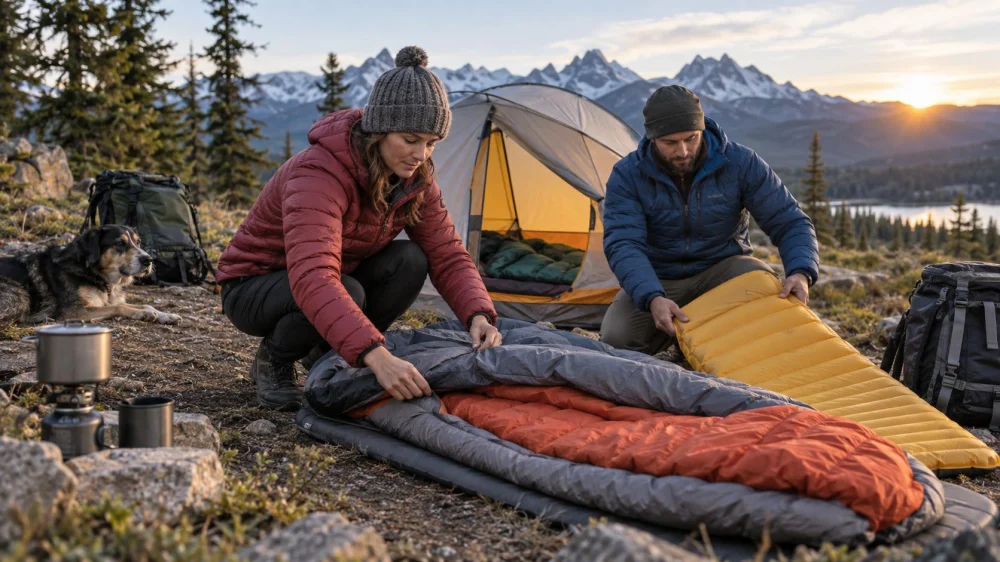
Camping Cold-Night Plan: Layers, Ventilation, and Limits
On this page
Quick answer
For Camping cold-night plan, start by defining the exact outcome and gathering reliable, current information. The practical goal is to match shelter and sleep systems to the forecast, manage moisture, and set clear cold-related stop conditions. Use a written checklist, verify anything safety-critical with the appropriate source or qualified professional, keep dated records, and stop when uncertainty could affect health, safety, money, access, or legal rights.
Define the result before you begin
Camping cold-night plan is a focused process for people who need to match shelter and sleep systems to the forecast, manage moisture, and set clear cold-related stop conditions. A useful plan separates confirmed facts from assumptions and identifies the next decision before action begins.
This guide is for recreational campers in United States. Weather, terrain, fire restrictions, site rules, skills, and equipment ratings may require a more conservative plan.
Details to compare
- Check the current forecast, alerts, access, closures, and campsite rules.
- Inspect shelter, sleep system, water, food, lighting, navigation, and communication gear.
- Set clear turn-around, shelter, and evacuation conditions before starting.
- Keep fuel, flames, heaters, and generators only where instructions and ventilation allow.
- Tell a reliable contact the location, route, group, vehicle, and return plan.
A reliable working sequence
- Match the plan to the least experienced person and the available daylight.
- Assign critical shared gear and confirm independent backups.
- Inspect the site for weather, tree, water, wildlife, fire, and trip hazards.
- Reassess when conditions change rather than waiting for equipment or control to fail.
- Leave early when safe shelter, visibility, warmth, hydration, or route access is uncertain.
Keep the final checklist with dates, names, photos, receipts, instructions, and unanswered questions. Share only the information needed for the task and protect personal data.
Stop points and exceptions
No checklist makes severe weather, remote terrain, fire, water, wildlife, or cold exposure risk-free, and rescue may be delayed.
Use emergency services or local rescue channels for immediate danger, severe injury, breathing problems, confusion, uncontrolled bleeding, or inability to reach safe shelter.
Common questions
What should I prepare first?
Start with the exact decision or result connected to Camping cold-night plan, then gather the most reliable current records and instructions.
How much documentation is useful?
Keep enough dated evidence to show condition, scope, decisions, and completion. Avoid collecting unrelated personal information.
When should I stop and ask for help?
Stop when safety, technical scope, health, money, access, or legal responsibilities are unclear or the situation is worsening.
Evidence basis
The evidence basis is broad outdoor-recreation, weather, fire-safety, and leave-no-trace guidance: plan for conditions, follow local rules, carry suitable equipment, and turn back before margins disappear.
Finish and keep the record
Turn the checklist into one next action: match shelter and sleep systems to the forecast, manage moisture, and set clear cold-related stop conditions. Confirm responsibility and timing, keep the record, and revisit the plan if conditions change.
More
How to Choose the Right Tent Size for Your Group
Jul 15, 2026Learn how to choose the right tent size for your group with practical camping tips covering capacity, comfort, weather conditions, gear storage, and group camping needs.
How to Camp Comfortably in a Small Car Without Feeling Cramped or Disorganized
Jul 05, 2026Learn how to camp comfortably in a small car without feeling cramped or disorganized, with smart space-saving tips, gear strategies, real camping stories, and practical setup advice.
18 Camping Tips to Pack Light and Travel More Efficiently
Jul 02, 2026Discover 18 camping tips that help you pack light and travel more efficiently, with real camping stories, gear strategies, and practical outdoor packing advice.

25 Best Campgrounds in the US for Every Outdoor Experience
Jun 29, 2026Discover 25 Best Campgrounds in the US That Offer the Perfect Outdoor Experience for All Levels, from beginner-friendly sites to advanced wilderness escapes, with tips, stories, and planning advice for unforgettable camping trips.
How to Camp Comfortably Without Electricity: Practical Off-Grid Guide
Jun 27, 2026Learn how to camp comfortably without electricity using practical off-grid strategies, gear choices, and real camping experiences. Discover how Camping With Kayla helps you enjoy modern comfort in nature.
22 Camping Hacks That Will Change Your Outdoor Experience
Jun 24, 2026Discover 22 camping hacks that will completely change your outdoor experience with practical tips, real-life camping stories, and expert advice for comfort, safety, and efficiency.