
Camping Trip Check-In Plan: Route, Contacts, and Overdue Action
Create a camping check-in plan with routes, travellers, vehicles, communication limits, contact times, overdue thresholds, emergency details, and updates.
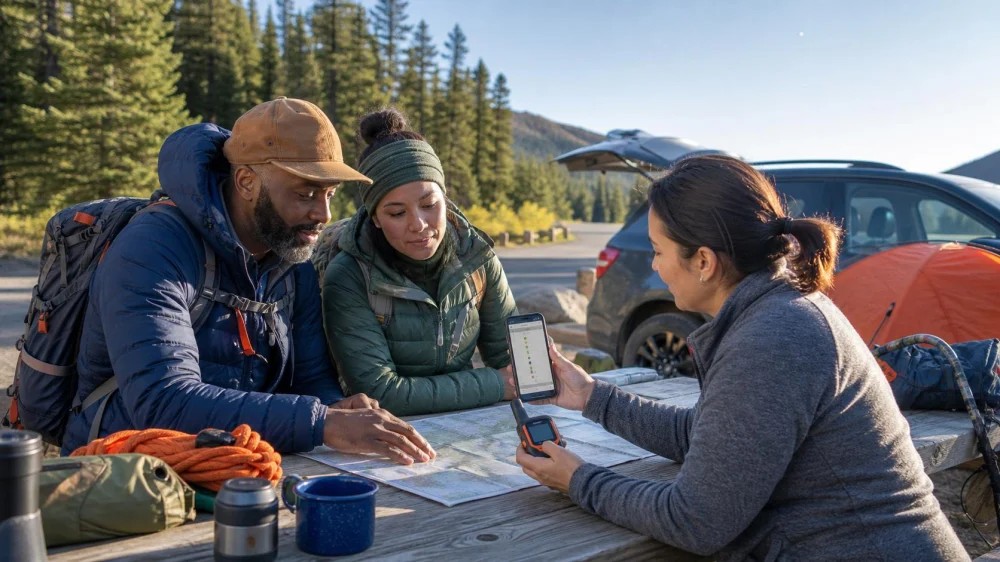
Camping Trip Check-In Plan: Route, Contacts, and Overdue Action
A camping check-in plan tells a trusted person where you intend to be, when to expect contact, and what to do if you are overdue. Share travellers, vehicle, route, campsite, permits, planned activities, communication methods, expected dead zones, check-in times, return deadline, and emergency contacts. Define an escalation sequence rather than “worry if you do not hear from us.” Update the contact when plans change. A plan supports rescue information, but it does not replace judgment, proper equipment, or an emergency beacon.
In this guide
Choose a Responsible Home Contact
Select an adult who will be reachable, can keep the plan, understands the difference between a routine missed message and an emergency, and is willing to contact authorities. Do not choose someone travelling with you as the only contact.
Walk through the plan together. Confirm time zones, exact dates, preferred message channels, and where backup information is stored. Provide another contact if the primary person becomes unavailable.
Build a Specific Itinerary
List campground, site or permit number when safe to share, trailheads, planned routes, day trips, water crossings, launch points, expected turnaround times, alternate routes, and return destination. Include official land manager, campground, ranger, or permit contacts.
Use map names, road numbers, coordinates, and route descriptions that responders can recognise. “Camping near the lake” is not enough. Attach a marked map or official trip link, but make sure the contact can open it offline if needed.
Record People, Vehicle, and Gear Details
List each traveller's name, age when relevant, phone, emergency contact, and important medical or mobility information that responders may need. Share sensitive health details only with consent and secure them appropriately.
Record vehicle make, model, colour, plate, parking point, trailer, and roof or bike rack. Note tent colour, group size, pets, boats, and distinctive equipment. Update substitutions before departure.
Map Communication Limits
Check carrier coverage maps and land-manager information, but expect gaps and changing conditions. A phone may lose service, power, or function. Download maps and essential contacts, carry appropriate power, and do not promise a check-in from a location known to lack signal.
Satellite messengers and personal locator beacons have different capabilities, subscriptions, sky-view requirements, registration, and emergency functions. Learn the device, register it, test it as permitted, and tell the home contact what messages mean. A messaging device is not a guarantee of immediate rescue.
Set Check-In and Overdue Times
Choose meaningful contacts: arrival at the campground, departure for a remote activity, safe return, and final trip completion. Too many routine messages can create noise; too few leave uncertainty. Allow for normal trail, weather, and service delays.
Define “expected,” “late,” and “overdue.” For example, a missed evening message might trigger retries and a call to the campground, while failure to return from a hazardous activity may require earlier emergency contact. The thresholds should reflect the actual route and risk, not a generic template.
Write the Escalation Steps
Give the contact a numbered process: try all approved channels, check for a plan-change message, call listed campsite or trip contacts, then contact the responsible emergency or search-and-rescue authority when the overdue threshold is reached. For immediate evidence of danger, call emergency services without waiting.
The contact should provide the full itinerary, last confirmed location and time, travellers, vehicle, medical concerns, equipment, weather context, and attempted calls. They should not drive into a remote area or organise an untrained search that creates more risk.
Report Route and Timing Changes
Send a clear update before leaving the planned route: new destination, route, companions, vehicle, check-in time, and return deadline. Wait for acknowledgment when possible. A casual social-media post is not a reliable amendment.
If conditions force a change without communication, make conservative choices and leave information through official check-in, permit, or trail-register systems when available. Do not split the group merely to deliver a routine message unless the safety plan supports it.
Share Enough Without Oversharing
Give detailed plans to trusted contacts and authorities, not a public audience. Broadcasting an empty home, parked vehicle, exact campsite, or children's location can create privacy and property risks.
Store copies on devices and paper where the group can access them. Protect medical, identification, and account information. After the trip, close the plan with a final message so the contact knows no action is required.
- Primary and backup home contacts agree to the role
- Dates, campground, routes, activities, and alternatives mapped
- Travellers, vehicle, tent, pets, and key equipment described
- Cell and satellite limitations understood
- Expected, late, and overdue times written
- Emergency escalation sequence and official contacts saved
- Plan changes require a clear update
- Final safe-return message closes the plan
Frequently Asked Questions
How often should campers check in?
Use points tied to the trip's risks and communication access. A campground weekend and remote backcountry route need different schedules.
Should a contact call 911 after one missed text?
Follow the agreed thresholds unless there is evidence of immediate danger. If unsure, the contact can call the responsible authority for guidance.
Is phone location sharing enough?
No. It may be stale or unavailable without service, power, permissions, or a working device. Pair it with a written itinerary and overdue plan.
What if the route changes?
Send the new route, destination, timing, and check-in point before committing when possible, and obtain acknowledgment.
Who should receive medical details?
Share necessary information with consent through a trusted contact and emergency systems. Avoid public posting and keep the record current.
A check-in plan turns silence into an agreed decision process. It is most useful when it is specific, realistic about communications, and actively updated. Local emergency systems, terrain, weather, and trip risks differ, so consult the relevant land manager and qualified outdoor professionals.
More
How to Choose the Right Tent Size for Your Group
Jul 15, 2026Learn how to choose the right tent size for your group with practical camping tips covering capacity, comfort, weather conditions, gear storage, and group camping needs.
How to Camp Comfortably in a Small Car Without Feeling Cramped or Disorganized
Jul 05, 2026Learn how to camp comfortably in a small car without feeling cramped or disorganized, with smart space-saving tips, gear strategies, real camping stories, and practical setup advice.
18 Camping Tips to Pack Light and Travel More Efficiently
Jul 02, 2026Discover 18 camping tips that help you pack light and travel more efficiently, with real camping stories, gear strategies, and practical outdoor packing advice.

25 Best Campgrounds in the US for Every Outdoor Experience
Jun 29, 2026Discover 25 Best Campgrounds in the US That Offer the Perfect Outdoor Experience for All Levels, from beginner-friendly sites to advanced wilderness escapes, with tips, stories, and planning advice for unforgettable camping trips.
How to Camp Comfortably Without Electricity: Practical Off-Grid Guide
Jun 27, 2026Learn how to camp comfortably without electricity using practical off-grid strategies, gear choices, and real camping experiences. Discover how Camping With Kayla helps you enjoy modern comfort in nature.
22 Camping Hacks That Will Change Your Outdoor Experience
Jun 24, 2026Discover 22 camping hacks that will completely change your outdoor experience with practical tips, real-life camping stories, and expert advice for comfort, safety, and efficiency.