
Campsite Tree Hazards: Look Up Before Pitching
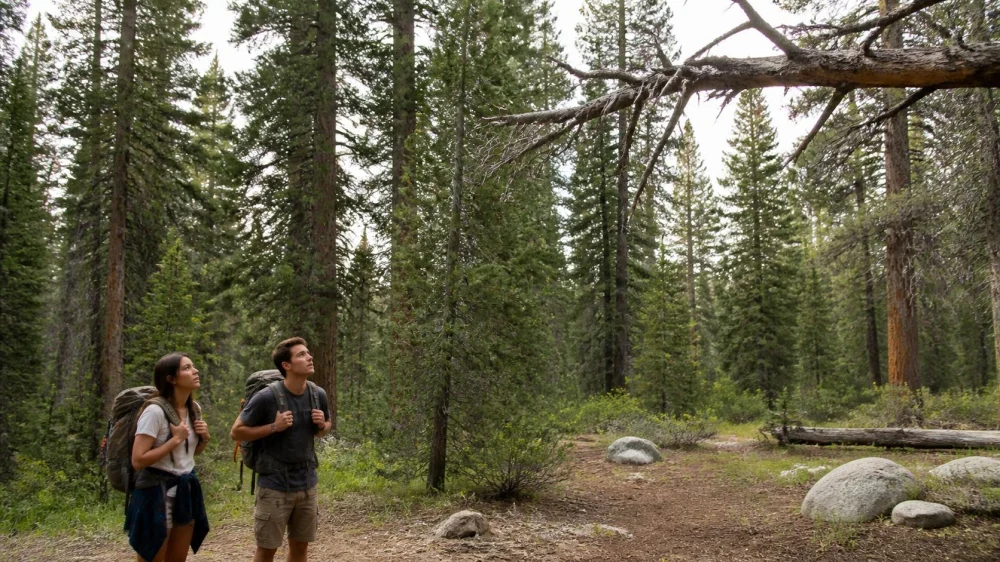
Before pitching camp, look up for dead limbs or leaning trees, consider wind and soil conditions, move to a safer site, and follow ranger instructions.
Campsite Tree Hazards: Look Up Before Pitching
On this page
Quick answer
checking overhead tree hazards at a campsite is easiest to manage when you define the goal, verify the relevant details, and set clear stop conditions before acting. Inspect from the ground, avoid dead limbs and leaning trees, consider wind and soil conditions, and follow ranger direction. Start with current instructions and observable facts, use a written checklist, and ask a qualified professional when the safe choice depends on technical, medical, legal, or site-specific judgment.
Understand checking overhead tree hazards at a campsite
For this guide, checking overhead tree hazards at a campsite means a deliberate process for a specific situation rather than a promise of one universal answer. The relevant details can change with equipment, venue, provider, product, weather, health, local rules, and individual needs. Separate what you can observe from what requires measurement, records, or professional judgment.
This article is for readers in United States who want a practical starting point. It is not a substitute for current manufacturer instructions, venue rules, public guidance, contracts, or advice from a qualified professional who can assess the actual situation.
Practical checklist
- Check current weather, land-manager rules, closures, fire restrictions, and route conditions.
- Match the plan to the least experienced participant, daylight, fitness, terrain, and a realistic turnaround time.
- Inspect critical gear before leaving and carry an independent backup for navigation, light, water, and communication where appropriate.
- Tell a reliable contact the route, timing, vehicle, participants, and overdue-response plan.
- Separate convenience items from safety-critical equipment and know how to use everything you carry.
- Set clear stop conditions for weather, injury, fatigue, water, visibility, equipment failure, and changing terrain.
- Leave the area as required, protect wildlife, and pack out waste.
Step-by-step plan
- Define the trip and identify the main hazards for the place, season, and activity.
- Check authoritative forecasts, alerts, maps, and local rules close to departure.
- Pack and inspect in categories: shelter, water, food, clothing, navigation, light, first aid, repair, and communication.
- Test the plan in a low-risk setting and make sure each participant understands key procedures.
- Reassess at the trailhead or site; change or cancel when assumptions no longer hold.
- During the trip, monitor time, weather, people, supplies, and exit options rather than waiting for a crisis.
Keep a short record for checking overhead tree hazards at a campsite: date, observed condition, decisions, questions, responsible person, due date, and outcome. Photos or receipts can support the record when appropriate, but store personal, property, or account information securely.
Limits and important notes
Outdoor conditions can change quickly, and a checklist cannot make an unsafe trip safe. Skills, permits, equipment, and emergency access vary by location. Turn back early and seek ranger, emergency, or qualified professional help when risk exceeds the group's preparation.
Stop and seek prompt help when checking overhead tree hazards at a campsite involves an immediate hazard, loss of safe control, worsening damage, injury, fire, smoke, strong odour, or a condition outside the instructions and your competence. Use emergency services when people may be in immediate danger.
Frequently asked questions
What should I check first for checking overhead tree hazards at a campsite?
Start with the immediate safety or suitability question, then verify current instructions, condition, scope, timing, and who is responsible.
When is the lowest price not the best choice?
When it changes scope, quality, safety, access, support, or total cost. Compare like with like and document exclusions.
Can online reviews answer the decision?
Reviews can reveal questions to ask, but they may be incomplete, outdated, or unrelated to your exact need. Verify important facts directly.
What if the information conflicts?
Pause and ask the responsible provider, manufacturer, venue, authority, or qualified professional to clarify in writing when possible.
What should I save afterward?
Keep the final instructions, receipt or agreement, relevant photos, results, warranty or follow-up details, and unresolved actions.
Sources and evidence
Use current primary information for checking overhead tree hazards at a campsite: manufacturer instructions, the responsible venue or provider, written agreements, local authorities, and qualified professionals. Verify details for United States and the specific date because rules, availability, prices, and operating conditions can change.
Conclusion and next steps
Turn checking overhead tree hazards at a campsite into a short sequence: define the goal, verify the critical facts, prepare safely, act within clear limits, and record the outcome. Inspect from the ground, avoid dead limbs and leaning trees, consider wind and soil conditions, and follow ranger direction. If an important fact remains uncertain, pause before committing time, money, access, or safety.
More
How to Choose the Right Tent Size for Your Group
Jul 15, 2026Learn how to choose the right tent size for your group with practical camping tips covering capacity, comfort, weather conditions, gear storage, and group camping needs.
How to Camp Comfortably in a Small Car Without Feeling Cramped or Disorganized
Jul 05, 2026Learn how to camp comfortably in a small car without feeling cramped or disorganized, with smart space-saving tips, gear strategies, real camping stories, and practical setup advice.
18 Camping Tips to Pack Light and Travel More Efficiently
Jul 02, 2026Discover 18 camping tips that help you pack light and travel more efficiently, with real camping stories, gear strategies, and practical outdoor packing advice.

25 Best Campgrounds in the US for Every Outdoor Experience
Jun 29, 2026Discover 25 Best Campgrounds in the US That Offer the Perfect Outdoor Experience for All Levels, from beginner-friendly sites to advanced wilderness escapes, with tips, stories, and planning advice for unforgettable camping trips.
How to Camp Comfortably Without Electricity: Practical Off-Grid Guide
Jun 27, 2026Learn how to camp comfortably without electricity using practical off-grid strategies, gear choices, and real camping experiences. Discover how Camping With Kayla helps you enjoy modern comfort in nature.
22 Camping Hacks That Will Change Your Outdoor Experience
Jun 24, 2026Discover 22 camping hacks that will completely change your outdoor experience with practical tips, real-life camping stories, and expert advice for comfort, safety, and efficiency.