
Carbon Monoxide at Camp: Keep Fuel-Burning Gear Out of Tents and Vehicles
Prevent campsite carbon monoxide poisoning by keeping generators and fuel-burning gear outdoors, protecting sleeping areas, using alarms, and acting fast on symptoms.
Carbon Monoxide at Camp: Keep Fuel-Burning Gear Out of Tents and Vehicles
On this page
- Quick answer
- Understand why carbon monoxide is hard to detect
- Keep combustion out of enclosed spaces
- Place portable generators far away outside
- Use stoves, charcoal, lanterns, and heaters safely
- Control vehicle and RV exhaust
- Use carbon monoxide alarms as backup protection
- Act immediately on symptoms or an alarm
- Manage fuel, fire, and electrical hazards too
- Run a campsite carbon monoxide checklist
Quick answer
Never use a portable generator, charcoal grill, camp stove, fuel-burning lantern, or unapproved fuel-burning heater inside a tent, vehicle, camper, cabin, screen room, vestibule, or other enclosed or partly enclosed space. Opening a door, window, or tent flap does not make it safe. Carbon monoxide is colourless and odourless and can cause sudden illness, unconsciousness, and death.
Operate generators outdoors, far from tents, RVs, cabins, windows, doors, and vents, following the manufacturer’s instructions and campground rules. If a carbon monoxide alarm sounds or anyone develops headache, dizziness, weakness, nausea, vomiting, chest pain, sleepiness, or confusion, move everyone to fresh air immediately and call 911. Do not re-enter to retrieve gear.
Understand why carbon monoxide is hard to detect
Carbon monoxide, or CO, forms when fuels burn. Gasoline, propane, natural gas, kerosene, charcoal, wood, and vehicle exhaust can all be sources. You cannot rely on smell, sight, smoke, or irritation to warn you; exhaust may contain CO even when the engine seems to run normally.
The CDC carbon monoxide guidance lists headache, dizziness, weakness, upset stomach, vomiting, chest pain, and confusion among common symptoms. Sleeping people and those affected by alcohol or other substances may not notice symptoms before becoming incapacitated.
Keep combustion out of enclosed spaces
A tent, rooftop tent, truck bed with a cap, vehicle, camper, enclosed awning, screen room, pit toilet, shed, cargo trailer, and partially open shelter can trap exhaust. Fabric walls, mesh, or a cracked window do not provide a safety calculation. Never route exhaust through a flap or improvised hose.
Do not cook or heat the tent before bed and then assume the air is clear. Keep every person and pet away from another campsite’s exhaust as well. If fumes or an alarm reach your site, move to fresh air and notify staff rather than moving the source yourself.
Place portable generators far away outside
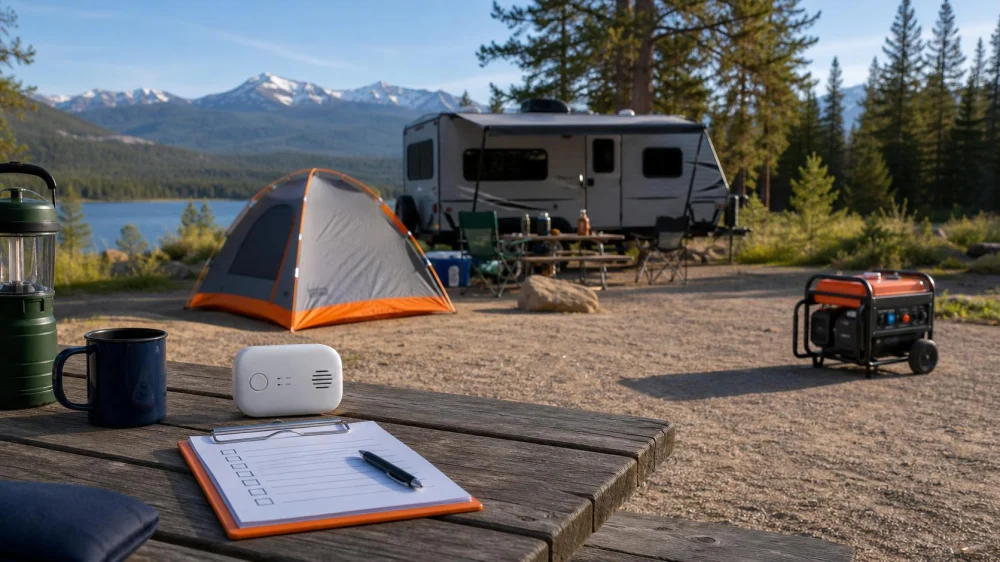
CDC guidance for portable generators says to operate them outdoors more than 20 feet from windows, doors, and vents. At camp, use that as a minimum separation from every tent, RV opening, cabin, and occupied shelter, while also following the generator manual and site rules. More distance may be needed for the layout.
Point exhaust away from occupied areas, but do not rely on wind direction because it changes. Never place a generator under an awning, canopy, vehicle, table, or tarp arrangement that conflicts with its instructions. Keep it out of low spots and do not let exhaust blow toward neighbouring sites.
Use stoves, charcoal, lanterns, and heaters safely
The U.S. Consumer Product Safety Commission camping-equipment guidance warns about CO poisoning from portable heaters, lanterns, and stoves inside tents, campers, and vehicles. Use cooking and lighting equipment only in locations and ways the manufacturer specifically permits.
Never bring a charcoal grill or hot coals inside for warmth, even when the coals look grey or nearly out. Do not sleep with fuel-burning equipment operating in an enclosed area. Use clothing, an appropriate sleep system, and a different shelter plan rather than combustion to compensate for inadequate cold-weather gear.
Control vehicle and RV exhaust
Do not idle a vehicle to heat a tent or sleeping space, and never sleep in a running vehicle in a garage, enclosed shelter, deep snowbank, or where the tailpipe may be blocked. Inspect the tailpipe after snow, mud, debris, or backing into vegetation.
RVs and towables may have generators, furnaces, water heaters, refrigerators, or other fuel-burning appliances. Follow the manufacturer’s ventilation, inspection, and alarm instructions. Park so one rig’s exhaust does not enter another rig, tent, or open window.
Use carbon monoxide alarms as backup protection
Use listed battery-powered or battery-backup CO alarms suitable for the camping environment and place them according to the alarm and shelter manufacturer instructions. Test them before the trip, check expiration or end-of-life dates, bring replacement batteries when applicable, and never cover them.
An alarm adds warning; it does not make indoor generator, stove, charcoal, or lantern use safe. Do not silence, remove, or relocate an alarm to continue an activity. Treat every alarm as real until emergency professionals or qualified technicians determine otherwise.
Act immediately on symptoms or an alarm
Move everyone—including sleeping people and pets—to open fresh air without delay. Call 911 and report suspected CO exposure, symptoms, campsite location, number of people, and possible source. Follow dispatcher instructions and seek medical evaluation; do not drive yourself if impaired.
Do not re-enter to shut off equipment or collect belongings. Do not assume fresh air alone resolves the risk or that one person’s improvement clears the group. Notify campground management so nearby campers can be protected and the source can be handled safely.
Manage fuel, fire, and electrical hazards too
Turn off and cool generators before refuelling, store fuel in approved containers away from ignition and sleeping areas, and clean spills according to instructions. Keep children and pets away from hot surfaces and moving parts. Have the correct fire extinguisher accessible and know how to call for help.
Use outdoor-rated cords and connections sized for the load, protect them from water and damage, and follow grounding and ground-fault protection instructions. Never backfeed a building or RV electrical system with an improvised connection. CO, fire, burns, shock, and electrocution are separate hazards that all need controls.
Run a campsite carbon monoxide checklist
Before sleeping, account for every generator, engine, stove, grill, lantern, heater, furnace, and appliance at your site and nearby. Confirm that nothing fuel-burning is operating in a tent, vehicle, camper, cabin, vestibule, screen room, or partly enclosed shelter and that alarms are working.
Ask: Is the generator outdoors more than 20 feet from every opening and occupied space? Can exhaust reach a neighbour? Are vehicle tailpipes clear? Does everyone know symptoms, the fresh-air meeting point, and how to call 911? If safe placement or equipment condition is uncertain, turn it off and use a non-combustion alternative.
More
How to Choose the Right Tent Size for Your Group
Jul 15, 2026Learn how to choose the right tent size for your group with practical camping tips covering capacity, comfort, weather conditions, gear storage, and group camping needs.
How to Camp Comfortably in a Small Car Without Feeling Cramped or Disorganized
Jul 05, 2026Learn how to camp comfortably in a small car without feeling cramped or disorganized, with smart space-saving tips, gear strategies, real camping stories, and practical setup advice.
18 Camping Tips to Pack Light and Travel More Efficiently
Jul 02, 2026Discover 18 camping tips that help you pack light and travel more efficiently, with real camping stories, gear strategies, and practical outdoor packing advice.

25 Best Campgrounds in the US for Every Outdoor Experience
Jun 29, 2026Discover 25 Best Campgrounds in the US That Offer the Perfect Outdoor Experience for All Levels, from beginner-friendly sites to advanced wilderness escapes, with tips, stories, and planning advice for unforgettable camping trips.
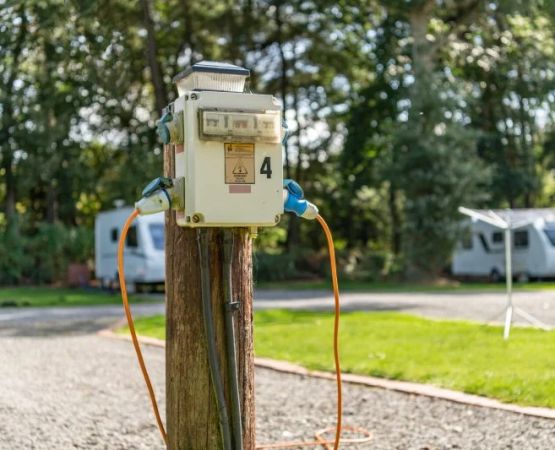
How to Camp Comfortably Without Electricity: Practical Off-Grid Guide
Jun 27, 2026Learn how to camp comfortably without electricity using practical off-grid strategies, gear choices, and real camping experiences. Discover how Camping With Kayla helps you enjoy modern comfort in nature.
22 Camping Hacks That Will Change Your Outdoor Experience
Jun 24, 2026Discover 22 camping hacks that will completely change your outdoor experience with practical tips, real-life camping stories, and expert advice for comfort, safety, and efficiency.