
Tent Entry Organization: Shoes, Mud, Insects, and Night Access
Organize a tent entrance with clear exits, protected shoe storage, mud control, closed mesh, reachable lights, wildlife-safe storage, and a nightly reset.
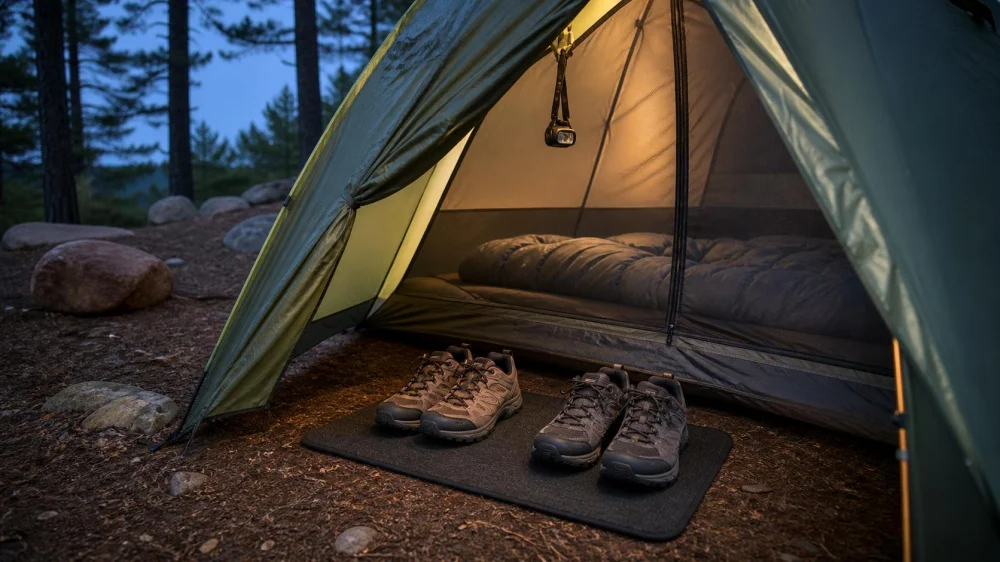
Tent Entry Organization: Shoes, Mud, Insects, and Night Access
On this page
Quick answer
Keep a tent entrance organised by creating a small transition zone: clear the doorway, place shoes on a groundsheet or tray under suitable shelter, keep sleep gear farther inside, and assign fixed locations for a light and essential items. Open the door only as long as needed, close mesh and fabric zips fully, and preserve a clear exit route.
This guide is for U.S. campers using tents with a vestibule, awning, or simple doorway. Always follow the tent manual, campground rules, wildlife requirements, and current weather conditions.
Define the entry zone
A tent entry zone is the small area where campers transition between outdoor footwear and the clean, dry sleeping space. It usually includes the vestibule or ground immediately outside the door and the first reachable area inside. A good zone controls dirt without blocking the only exit.
Begin before pitching. Face the door toward a usable, durable surface where permitted, not a puddle, drainage channel, steep drop, fire ring, vehicle path, or dense vegetation. Consider where rain will flow. A door on the downhill side may collect water or place a sleeper's first step on a slick slope.
Inside, keep the doorway width open. Place packs and bedding beyond the arc of the door. If the door rolls or toggles aside, secure it exactly as designed so loose fabric does not fall into the opening. Learn whether the zip opens from the top, bottom, or both before darkness.
Manage shoes, sand, and mud
Choose a footwear location that is reachable without crawling across bedding. In a vestibule, align shoes toe-out or heel-out consistently so they can be put on quickly. Use a small washable mat, shallow tray, or piece of groundsheet only if it does not interfere with drainage or the door. Shake loose dirt away from the tent rather than into the doorway.
Do not seal wet footwear in an airtight bag for a long period. Let it drain and air where weather, wildlife, and campground rules permit. In heavy rain, a ventilated container or protected vestibule can reduce water transfer. Never place muddy shoes against a tent wall because pressure and abrasion can encourage leakage or fabric damage.
Keep a small cloth for wiping feet, paws, or gear, but store it separately from cooking and personal-hygiene items. If the campsite has fine sand, sit outside to remove shoes and brush socks before entering. A clean-socks rule can help, provided the socks stay inside the sleep area.
Food residue, scented toiletries, rubbish, and cookware do not belong in the tent entry unless local guidance explicitly permits storage there. Follow campground and land-manager rules for wildlife-resistant storage; a vestibule is not a substitute for an approved food locker or container.
Reduce insect entry
Mesh doors work only when closed. Decide who opens which zip, move through without rushing, and close it immediately behind the last person. Avoid leaving the mesh partly open while organising footwear. Check the lower corners, where paired zip sliders can leave a small gap.
Keep bright lights away from the open doorway because light can attract insects. Use the minimum practical light, direct it downward, and turn it on inside only after the mesh is closed when possible. Do not spray general household insecticide onto tent fabrics; chemicals can affect coatings, and use near occupied sleeping areas may be inappropriate. Follow product labels and tent-manufacturer guidance.
Before bed, inspect the threshold, mesh, and fabric for trapped insects, tears, or objects that prevent closure. Repair kits are product-specific, so practise a temporary patch at home. Do not close a zip over a thick seam, pebble, or overloaded gear.
Plan safe night access
Give every camper a known light location. A headlamp or small torch should be reachable without standing, and it should have a lock mode or protected switch to prevent accidental activation. Keep spare power according to manufacturer instructions. Avoid loose batteries rolling among metal objects.
Place glasses, necessary medication, and essential footwear where the user can reach them, but do not create a pile across the exit. Medical items must be stored within their labelled temperature and moisture limits. Car keys and emergency communication tools need a consistent, secure location known to responsible adults.
Outside, define the first few steps without over-lighting the campground. Use existing paths and modest, shielded light. Do not run cords, guylines, or equipment across the route. Tell children where the exit, adults, and toilet path are before sleep; accompany them as appropriate.
Setup checklist
- Assess the approach. Check slope, drainage, roots, rocks, traffic, and the route to shared facilities.
- Pitch by the manual. Tension the door and vestibule so zips operate without force.
- Clear the exit width. Keep packs, bedding, chairs, and storage bins away.
- Assign footwear space. Use a stable, protected location that does not trap water.
- Separate clean and dirty items. Keep wiping cloths and wet gear away from sleep and kitchen gear.
- Test both door layers. Open and close mesh and weather fabric before dark.
- Place lights and essentials. Make them reachable without blocking movement.
- Do a bedtime reset. Close zips, remove clutter, secure wildlife attractants, and check the outside path.
Limitations and important notes
A small tent may not have room for an elaborate entry system. Prioritise the exit, weather protection, and the items required for safe movement. In severe weather or rising water, organisation is secondary to following official guidance and moving to appropriate shelter.
Vestibules vary. Some permit only gear storage; none should be treated as safe space for fuel-burning equipment. Never cook, use a flame, or operate a heater inside a tent or vestibule. This article provides general organisation guidance, not emergency or medical advice.
Frequently asked questions
Should shoes stay inside or outside the tent?
Use the driest secure location allowed by the tent design and campsite conditions. A vestibule often balances access and cleanliness, but wildlife, flooding, and weather can change the decision.
What can I use as a tent doormat?
A small washable mat or compatible groundsheet can work if it lies flat, drains appropriately, and does not extend under the tent in a way that channels rainwater.
How do I keep insects out when children use the door?
Practise one simple routine in daylight: open enough to pass, enter or leave, and close both sliders completely. Assign an adult to check the door before bed.
Where should a headlamp go at night?
Place it in the same reachable pocket or loop near the sleeper, not on the floor in the exit path. Confirm its switch will not activate accidentally.
Evidence note
The recommendations follow common camping principles: protect the sleeping area from moisture and soil, keep exits unobstructed, minimise attractants, close insect barriers, and give essential items consistent locations. Tent designs and land-manager rules vary, so current product and site guidance take priority.
Next steps
At home, pitch the tent and practise the entry routine with the gear you actually carry. Choose one footwear mat, one light location, and one pocket for essential items. At camp, adapt those locations to slope, drainage, wildlife rules, and weather, then reset the doorway before every night.
More
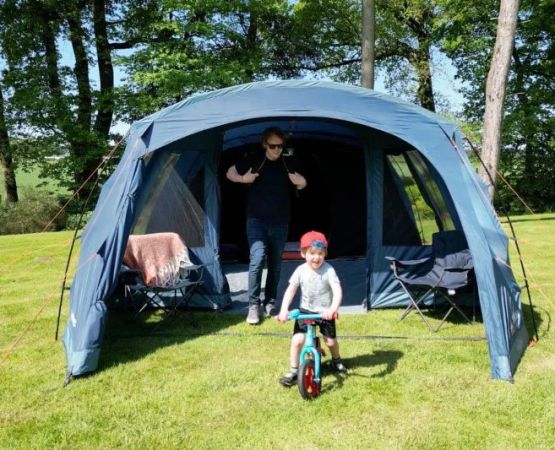
How to Choose the Right Tent Size for Your Group
Jul 15, 2026Learn how to choose the right tent size for your group with practical camping tips covering capacity, comfort, weather conditions, gear storage, and group camping needs.
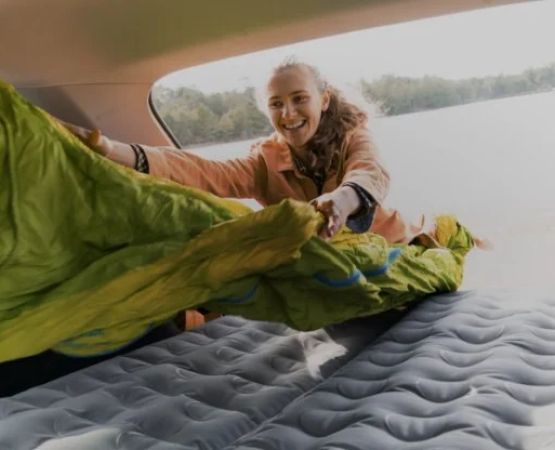
How to Camp Comfortably in a Small Car Without Feeling Cramped or Disorganized
Jul 05, 2026Learn how to camp comfortably in a small car without feeling cramped or disorganized, with smart space-saving tips, gear strategies, real camping stories, and practical setup advice.
18 Camping Tips to Pack Light and Travel More Efficiently
Jul 02, 2026Discover 18 camping tips that help you pack light and travel more efficiently, with real camping stories, gear strategies, and practical outdoor packing advice.

25 Best Campgrounds in the US for Every Outdoor Experience
Jun 29, 2026Discover 25 Best Campgrounds in the US That Offer the Perfect Outdoor Experience for All Levels, from beginner-friendly sites to advanced wilderness escapes, with tips, stories, and planning advice for unforgettable camping trips.
How to Camp Comfortably Without Electricity: Practical Off-Grid Guide
Jun 27, 2026Learn how to camp comfortably without electricity using practical off-grid strategies, gear choices, and real camping experiences. Discover how Camping With Kayla helps you enjoy modern comfort in nature.
22 Camping Hacks That Will Change Your Outdoor Experience
Jun 24, 2026Discover 22 camping hacks that will completely change your outdoor experience with practical tips, real-life camping stories, and expert advice for comfort, safety, and efficiency.