
Tent Guyline Trip Hazards: Mark, Tension, and Route Around Them
Reduce tent guyline trip hazards by planning campsite routes before pitching, preserving required structural lines, adding reflective markers, testing paths at night, and rechecking after weather.
Tent Guyline Trip Hazards: Mark, Tension, and Route Around Them
On this page
Quick answer
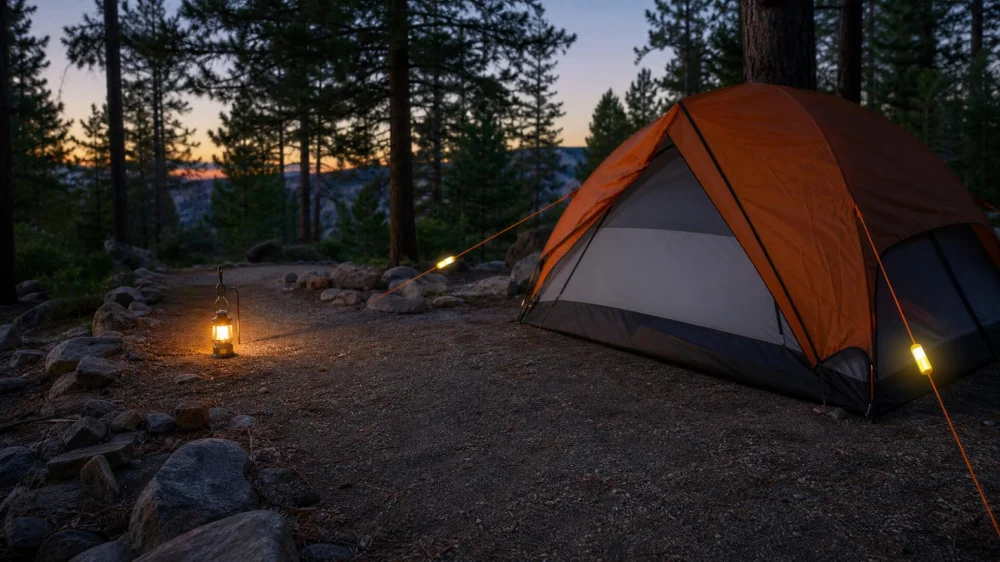
Tent guylines keep a shelter stable, but they can cross dark campsite routes at ankle height. Pitch the tent with doors facing a clear path, use the fewest guylines required by the design and conditions, tension them correctly, and add reflective cord or markers. Keep them out of cooking, toilet, vehicle, and shared access routes. Walk the site in daylight and again with your night lighting, and re-tension after rain, wind, or soil movement.
Why it matters
Low cord is hard to see, especially for children, tired campers, and people with limited vision or mobility. A trip can injure a person and pull stakes or fabric loose.
This United States camping guide is general. Tent design, wind, soil, campground rules, wildlife, accessibility, weather, and manufacturer instructions vary.
Practical checklist
- Choose a level legal tent pad with clear door and emergency routes.
- Identify every required guy point and likely walking line.
- Use visible cord, reflective markers, and suitable stakes.
- Keep lines away from fire, stove, vehicles, picnic tables, and neighbouring sites.
- Angle and seat stakes for the soil without leaving sharp parts exposed.
- Carry a headlamp for each person and a backup light.
- Inspect tension and markers before dark and after weather.
Step-by-step plan
- Lay out the tent footprint and planned walking routes before driving stakes.
- Pitch and stake the tent according to the manufacturer, using guylines needed for structure and weather.
- Route lines outward where they do not cut across the door-to-road, toilet, food, or vehicle path.
- Attach reflective markers that remain visible without creating loose loops.
- Walk the complete site at child and adult sightlines during daylight.
- Repeat the check after dark using the actual headlamps and campsite lighting.
- Re-seat stakes and re-tension lines after rain, wind, temperature change, or accidental contact.
Note campsite, tent model, required guy points, soil, stake type, wind forecast, route layout, markers, night check, weather changes, adjustments, and any trip or damage.
Limits and warning signs
Bright cord does not eliminate risk, and lantern glare can hide thin lines. Removing structural guylines for convenience may make the tent unsafe in wind.
Relocate or repitch if required lines block a shared route, cannot hold in the soil, sit near fire, or create an unavoidable hazard. Move to safer shelter when wind exceeds the tent or site plan.
Frequently asked questions
Can I skip guylines in calm weather?
Follow the tent instructions and forecast; some lines support shape, ventilation, rain shedding, or unexpected gusts.
Are glow sticks good markers?
Use durable reusable reflective markers where possible and follow campground waste and wildlife rules.
How tight should the line be?
Firm enough for the tent design without distorting fabric; recheck after material and weather changes.
Where should stakes point?
Use the tent and stake maker's method for the specific soil, keeping exposed ends out of walking routes.
Sources and evidence
The guide applies tent-manufacturer, campsite-layout, night-visibility, stake, fire-clearance, accessibility, and weather principles: plan routes first, preserve structural lines, mark them, test at night, and recheck conditions.
Conclusion and next steps
Lay out routes before pitching, route required lines away from movement and heat, add reflective markers, test the site with night lighting, and re-tension after every weather or soil change.
More
How to Choose the Right Tent Size for Your Group
Jul 15, 2026Learn how to choose the right tent size for your group with practical camping tips covering capacity, comfort, weather conditions, gear storage, and group camping needs.
How to Camp Comfortably in a Small Car Without Feeling Cramped or Disorganized
Jul 05, 2026Learn how to camp comfortably in a small car without feeling cramped or disorganized, with smart space-saving tips, gear strategies, real camping stories, and practical setup advice.
18 Camping Tips to Pack Light and Travel More Efficiently
Jul 02, 2026Discover 18 camping tips that help you pack light and travel more efficiently, with real camping stories, gear strategies, and practical outdoor packing advice.

25 Best Campgrounds in the US for Every Outdoor Experience
Jun 29, 2026Discover 25 Best Campgrounds in the US That Offer the Perfect Outdoor Experience for All Levels, from beginner-friendly sites to advanced wilderness escapes, with tips, stories, and planning advice for unforgettable camping trips.
How to Camp Comfortably Without Electricity: Practical Off-Grid Guide
Jun 27, 2026Learn how to camp comfortably without electricity using practical off-grid strategies, gear choices, and real camping experiences. Discover how Camping With Kayla helps you enjoy modern comfort in nature.
22 Camping Hacks That Will Change Your Outdoor Experience
Jun 24, 2026Discover 22 camping hacks that will completely change your outdoor experience with practical tips, real-life camping stories, and expert advice for comfort, safety, and efficiency.