
Wet Camping Gear: Dry, Separate, and Pack It Safely
Keep wet camping gear from soaking critical equipment. Learn safe drying, separation, temporary packing, post-trip care, and warning signs.

Wet Camping Gear: Dry, Separate, and Pack It Safely
Table of contents
Quick answer
Separate wet gear from dry sleeping equipment as soon as practical. Shake off loose water outdoors, hang items with airflow when conditions allow, and never dry fabric against a flame, heater, or stove. If you must travel before gear is dry, use a temporary waterproof container, then unpack and dry everything promptly after the trip.
Why it matters
Wet tents, clothing, boots, and sleeping gear can reduce comfort, transfer moisture to critical equipment, and develop odor or material damage when sealed for too long. A simple wet-gear zone protects the rest of camp and makes departure easier.
The right method depends on weather, campsite rules, material care instructions, and whether you are hiking or driving. Treat the rain fly, tent body, insulated gear, footwear, and electronics as different items rather than one wet bundle.
Practical checklist
- Choose a ventilated line or rack away from the fire and vehicle route.
- Keep wet footwear and rain layers outside the sleeping area when safe.
- Protect down or synthetic insulation from additional moisture.
- Use a labeled temporary bag or bin for the drive home.
- Carry a small towel, spare dry layer, and bags for separation.
- Follow campground rules and leave shared areas unobstructed.
Step-by-step plan
- Assess the weather and identify a safe drying location.
- Remove mud and standing water without spreading it through camp.
- Open zippers, pockets, and vents and spread items without overstretching them.
- Rotate or reposition gear so trapped areas receive airflow.
- Before departure, separate anything still wet and note what needs immediate attention.
- At home, unpack the same day, clean as directed, dry completely, and inspect before storage.
If equipment leaked unexpectedly, note the location and conditions before it dries. Photos can help you distinguish setup error, condensation, wear, and a possible warranty issue.
Limits and warning signs
Do not place fabric, footwear, or pressurized waterproof products close to a flame, stove, exhaust, or hot vehicle surface. Do not create a trip hazard with low lines, and do not hang gear on living trees where local rules prohibit it.
Retire or professionally assess gear with damaged waterproof coatings, torn load-bearing parts, electrical damage, persistent contamination, or insulation that will not recover after correct cleaning and drying.
Frequently asked questions
Can I pack a wet tent for the drive home?
Yes, temporarily. Keep it separated, protect the vehicle, and unpack and dry it promptly rather than storing it wet.
Should I dry gear over a campfire?
No. Heat, sparks, smoke, and combustion gases can damage gear and create fire or health hazards.
What should stay driest?
Prioritize sleeping insulation, sleep clothing, medications, electronics, maps, and emergency supplies.
Can wet items go inside the tent?
Limit this when possible. Use the vestibule or a contained wet zone without blocking ventilation or exits.
Sources and evidence
Use each product manufacturer’s cleaning, temperature, and storage instructions; campground rules; current fire restrictions; and authoritative outdoor safety guidance for the conditions and location.
Conclusion and next steps
Before the next trip, add a wet-gear bag, towel, line or rack, and spare dry layer to your packing list. At camp, choose the drying zone early; after the trip, dry and inspect every item before long-term storage.
More
How to Choose the Right Tent Size for Your Group
Jul 15, 2026Learn how to choose the right tent size for your group with practical camping tips covering capacity, comfort, weather conditions, gear storage, and group camping needs.
How to Camp Comfortably in a Small Car Without Feeling Cramped or Disorganized
Jul 05, 2026Learn how to camp comfortably in a small car without feeling cramped or disorganized, with smart space-saving tips, gear strategies, real camping stories, and practical setup advice.
18 Camping Tips to Pack Light and Travel More Efficiently
Jul 02, 2026Discover 18 camping tips that help you pack light and travel more efficiently, with real camping stories, gear strategies, and practical outdoor packing advice.

25 Best Campgrounds in the US for Every Outdoor Experience
Jun 29, 2026Discover 25 Best Campgrounds in the US That Offer the Perfect Outdoor Experience for All Levels, from beginner-friendly sites to advanced wilderness escapes, with tips, stories, and planning advice for unforgettable camping trips.
How to Camp Comfortably Without Electricity: Practical Off-Grid Guide
Jun 27, 2026Learn how to camp comfortably without electricity using practical off-grid strategies, gear choices, and real camping experiences. Discover how Camping With Kayla helps you enjoy modern comfort in nature.
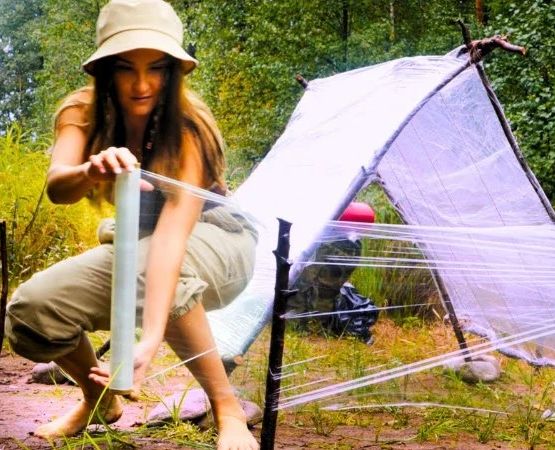
22 Camping Hacks That Will Change Your Outdoor Experience
Jun 24, 2026Discover 22 camping hacks that will completely change your outdoor experience with practical tips, real-life camping stories, and expert advice for comfort, safety, and efficiency.